
Enjoying an invigorating shower sets you up for a great day. Yet, discovering that only a trickle of water is coming from the shower head can leave you feeling frustrated and slightly soapy. Low water pressure occurs for a variety of reasons that can include problems as widespread as being from the city water supply.
However, our plumbers typically discover common issues in Melbourne homes that we can resolve quickly with our professional plumbing services. Using this guide can help you begin seeking the right solution for restoring water pressure in your home.
Quick Takeaways
- Normal water pressure is usually within the range of 45 and 60 PSI
- Experiencing low water pressure suddenly usually indicates a plumbing issue
- Municipal water supply problems will typically cause widespread low-pressure problems
- Hidden plumbing leaks are a common cause of poor water pressure
- Water pressure regulators usually last around 10 to 15 years before they fail
- Water heaters can cause low pressure that affects only the hot water supply
What Are Common Causes of Low Water Pressure in Melbourne Homes?
Knowing the main reasons why you might discover low water pressure suddenly helps you begin searching for the source of your frustration.
Check for Municipal Water Supply Issues
Municipal water suppliers sometimes need to perform maintenance tasks that impact the supply to homes throughout a defined area. You can check your water company’s website and social media pages for updates. If your neighbors also have this issue, then it is likely from a source outside of your house.
Make Sure the Shut-Off Valve Is Open
This is a great time to make sure you know where the main shut-off valve is located. Usually, you’ll find this valve near the water meter. If it is slightly turned to the wrong position, then it can cause low water pressure.
Start Searching for Leaks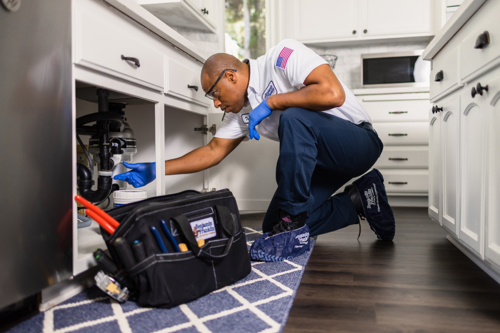
Discovering damp spots on the walls and floors is a sign that there could be a leaking supply line in your home. But, other water supply issues could be from hidden leaks in the ground. Calling one of our plumbers can help you find out if there is a break in the main line.
Find Out If the Culprit Is the Water Heater
Sediment buildup could cause issues with water pressure that you’ll notice when you turn on the hot water. Mineral scaling could have a similar impact on tankless water heaters.
Consider a Faulty Pressure Regulator
Pressure regulators protect your home’s plumbing by reducing the pressure as the water comes to your home through the main line. These usually only last for 10 to 15 years, and a faulty one could cause the pressure to drop dramatically.
Inspect the Fixtures
Isolated instances of low water pressure could also be caused by a specific fixture. Clogs sometimes develop in the aerators or shower heads, especially when fixtures have water-saving features. Cleaning a clogged fixture or replacing it should resolve the issue.
How Do You Check Water Pressure In a House?
You can use a pressure gauge to check the water pressure at your house. You’ll perform the test by screwing the gauge onto the outdoor faucet after making sure there isn’t any water running inside your home. If the pressure levels fall outside of the normal range, then you’ll need to call a professional plumber for a diagnosis.
How Can Professional Plumbers Restore Proper Water Pressure?
Once you’ve made sure the main shut-off valve is open and checked for clogs, your next step is to call our team. Professional plumbers can offer one or several of these solutions for ensuring that you enjoy good water pressure in the future.
- Test pressure regulators
- Perform water leak inspections
- Recommend pipe repairs or replacements
- Assess the water heater and perform maintenance tasks
- Determine if a water filtration or softening system is beneficial
- Install new fixtures
How Can You Prevent Low Water Pressure From Happening?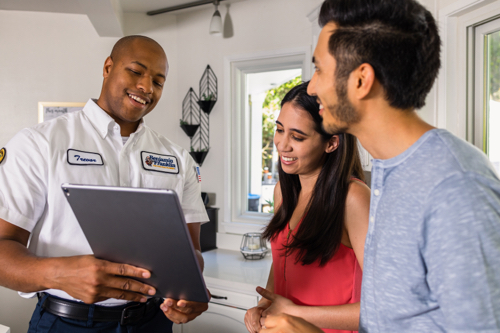
Once you’ve experienced water pressure problems, it’s normal to want to avoid dealing with the issue again. You can use these steps to make sure your shower never takes longer than you want:
- Arrange for annual plumbing inspections in older homes
- Keep an eye out for signs of plumbing leaks
- Practice good water heater maintenance
- Replace filters on home appliances and fixtures as needed
- Explore water softening and filtration options for homes with high mineral levels
FAQs
What are normal water pressure levels?
Ideally, water pressure should stay within a range of 45 to 60 PSI.
Could a failing water heater cause low pressure during a shower?
Yes, water heaters are a common cause of low pressure that impacts only the hot water in homes.
Will poor water pressure cause my home appliances to clean inefficiently?
Dishwashers and other home appliances need proper water pressure to clean and rinse items as they work.
How long will it take a plumber to improve water pressure?
Small repairs, such as valve adjustments, can take a few minutes to several hours. Plumbers may need more than a day to repair or replace broken pipes that exist deep within the ground.
Can water pressure only affect one room in a house?
Yes, when this happens, the issue is often isolated to the supply line running directly to the room. Or, there could be an issue with a shut-off valve or a clogged fixture.
Frustrated By Low Water Pressure? Let Us Help You Enjoy Your Mornings Again
Experiencing low water pressure can quickly disrupt all of your daily activities. But, you don’t have to waste another minute struggling to rinse the shampoo out of your hair. Benjamin Franklin Plumbing provides water pressure checks and plumbing repairs throughout Melbourne, Florida and the nearby communities.
We know how important it is to have properly running water for cleaning, bathing and drinking, which is why we say, “if there’s any delay, it’s YOU we pay.” Give us a call today to find out the underlying cause of water pressure issues for a long-term solution to your current frustration.